How Many Moving Boxes Do I Need? A Guide by Home Size
Find out exactly how many moving boxes or totes you need based on your home size. Covers studios through 5+ bedrooms with real packing numbers.
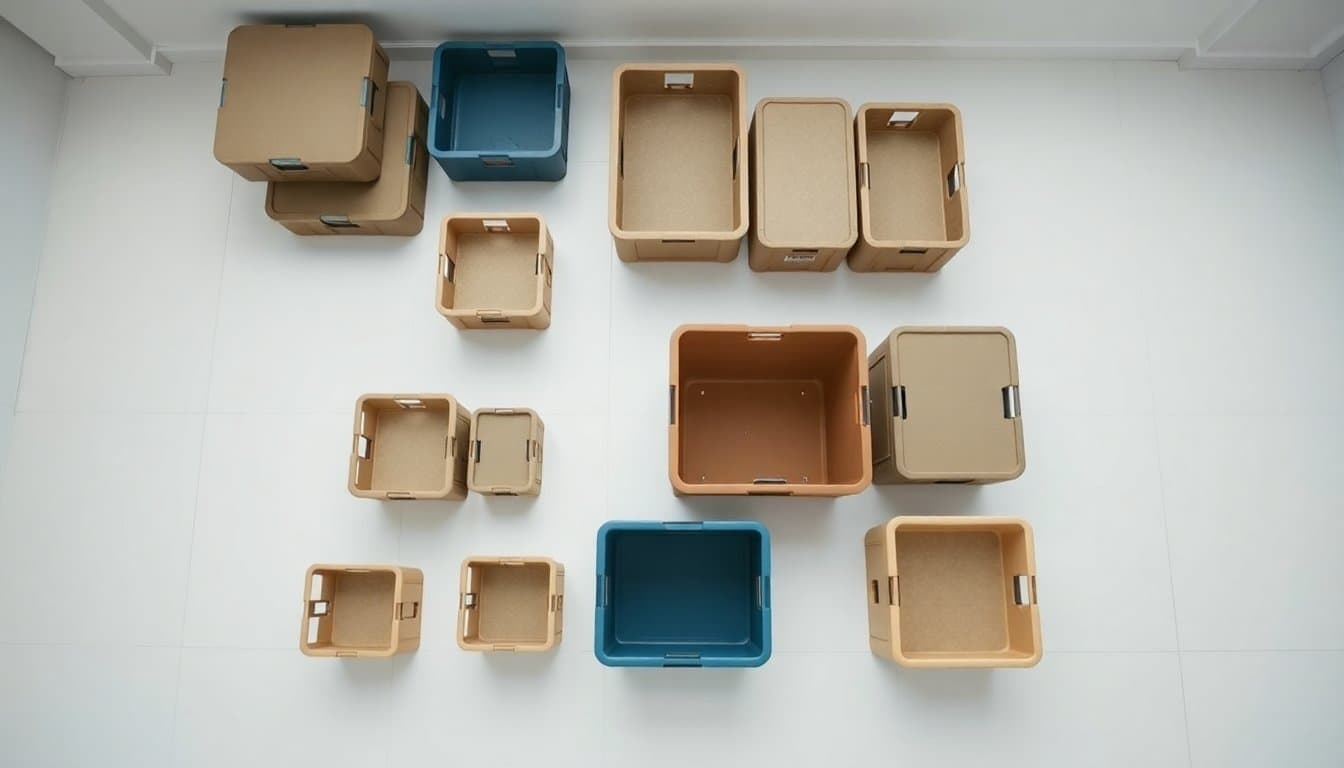
Key Takeaways
- A studio needs 8 to 12 totes. A 3-bedroom needs 28 to 38. Your home size gives you a solid starting number.
- Decluttering is the fastest way to cut your count. Every item you donate or toss is space you don't have to pack, carry, or unpack.
- Heavy items go in smaller containers. A large tote packed with books will hurt your back and possibly break the container.
- Round up, not down. Having two extra totes is annoying. Running out of containers at 9 PM the night before your move is worse.
- Use what you already own. Suitcases, laundry baskets, and dresser drawers are free packing containers.
"How many boxes do I need?" is the first thing most people search when they start planning a move. The answer depends on your home size, how much stuff you own, and whether you decluttered before packing. But there are solid benchmarks that'll get you in the right range.
How many totes does each home size need?
A studio needs 8 to 12 totes, a 2-bedroom needs 20 to 28, and a 4-bedroom needs 38 to 50. Always round up because running out of containers the night before is far worse than having a few extras.
These numbers assume an average amount of belongings. Minimalists, lean lower. If every closet is packed full, go higher.
Studio apartment: 8 to 12 totes. Studios are small but deceptive. Most of your count goes to kitchen items, clothing, and bathroom supplies. A few medium totes and a couple of large ones cover it.
1-bedroom apartment: 12 to 18 totes. A separate living area and usually more closet space. Plan on 6 to 8 medium totes for kitchen and bathroom, 4 to 6 large for clothing and linens, and 2 to 4 for books, electronics, and miscellaneous.
2-bedroom home: 20 to 28 totes. Two closets of clothing, a larger kitchen, and more accumulated stuff. You'll likely have decor, a home office setup, or guest room linens adding to the count.
3-bedroom home: 28 to 38 totes. This is where families with kids usually land. Children's rooms generate a surprising volume of packable material: toys, books, art supplies, sports equipment, seasonal clothing. The garage tends to be fuller too.
4-bedroom home: 38 to 50 totes. Larger homes mean more storage, which means more stuff hiding in attics, basements, and hall closets. Budget extra-large totes for comforters, coats, and holiday decorations.
5+ bedroom home: 50 to 65 totes. At this size, you'll almost certainly benefit from a professional crew on top of your totes. The count can climb higher if you have a workshop, extensive pantry, or multiple storage areas.
What goes in each tote size?
Use medium totes for heavy items like books and dishes, large totes for clothing and linens, and extra-large totes only for bulky lightweight items like pillows and comforters.
Using the right size for each category keeps things organized and prevents overloading.
Medium totes (best for heavy or fragile items): Books and magazines. Dishes, glasses, and small kitchen items. Canned goods and pantry staples. Tools and hardware. Small electronics wrapped in towels for padding. Rule of thumb: if it's heavy, it goes in a medium tote. A large container packed with books is nearly impossible to lift.
Large totes (your workhorse): Clothing and shoes. Towels and linens. Toys and games. Kitchen appliances (blender, toaster, coffee maker). Bathroom supplies. Most of your belongings fit in this size.
Extra-large totes (bulky, lightweight items only): Pillows, comforters, blankets. Coats and jackets. Lampshades. Stuffed animals and soft toys. Holiday decorations. Fill these with light, bulky items. Resist the urge to pack them heavy. They become unmanageable fast.
How can you reduce your tote count?
Declutter before packing, use suitcases and dresser drawers as free containers, nest items inside each other, and fill every gap with towels or clothing instead of leaving empty space.
Fewer totes means fewer trips, less cost, and faster unpacking.
Declutter first. This is the single most effective way to bring the number down. Donate, sell, or toss anything you haven't used in the past year. Be honest with yourself about what's actually coming to the new place.
Use what you already have. Suitcases, laundry baskets, dresser drawers, and hampers all work as containers. Leave clothes in dresser drawers and wrap the whole dresser in stretch wrap. Done.
Nest items. Pots inside pots. Shoes inside boots. Smaller containers inside larger ones.
Wear bulky clothing on moving day. Your heaviest coat and boots are better on your body than taking up space in a tote.
Don't pack air. Fill every gap with towels, linens, or clothing. If a tote is half empty, consolidate it with another.
Which FlashTotes package matches your home?
FlashTotes offers tote rental packages sized from studios to 5-plus-bedroom homes, with delivery to your door and free pickup after your move included in every package.
Once you have your estimate, check our pricing page to find the right package. FlashTotes offers tote rental packages sized for studios up through large family homes, with delivery to your door and pickup after your move included.
If you're not sure which count is right, round up by a few totes. Having two or three extras is far less stressful than realizing you need more containers at 9 PM the night before your move.
Quick reference table
| Home Size | Estimated Totes |
|---|---|
| Studio | 8 to 12 |
| 1 Bedroom | 12 to 18 |
| 2 Bedrooms | 20 to 28 |
| 3 Bedrooms | 28 to 38 |
| 4 Bedrooms | 38 to 50 |
| 5+ Bedrooms | 50 to 65 |
Use these numbers as your starting point, adjust based on how aggressively you declutter, and you'll have what you need on moving day.
Keep Reading
Frequently Asked Questions
- How many boxes do I need for a 2-bedroom apartment?
- A 2-bedroom home typically needs 20 to 28 moving totes or boxes. The exact count depends on how much you own and whether you declutter before packing.
- Should I get more boxes than I think I need?
- Yes, always round up. Having two or three extra containers is a minor inconvenience, while running out the night before your move causes major stress and delays.
- What is the best size box for books?
- Use small or medium containers for books. A large box packed with books becomes dangerously heavy and nearly impossible to lift safely.
- Can I use suitcases instead of moving boxes?
- Absolutely. Suitcases, laundry baskets, dresser drawers, and hampers all work as free packing containers and reduce the number of boxes or totes you need to buy or rent.